Folio
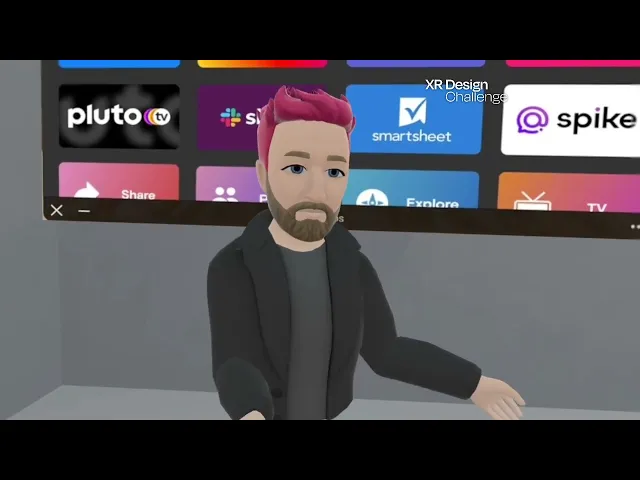
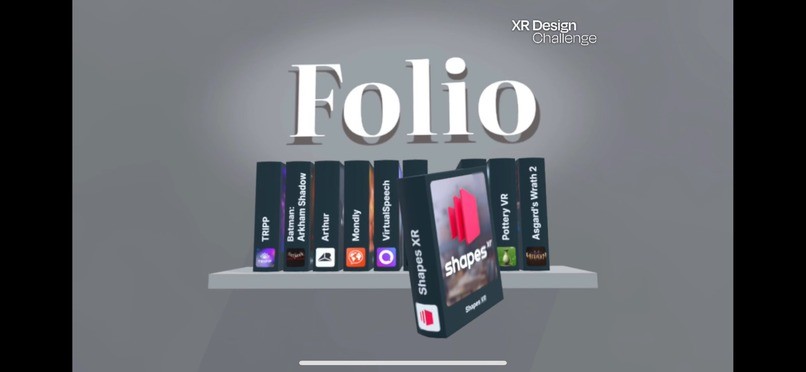
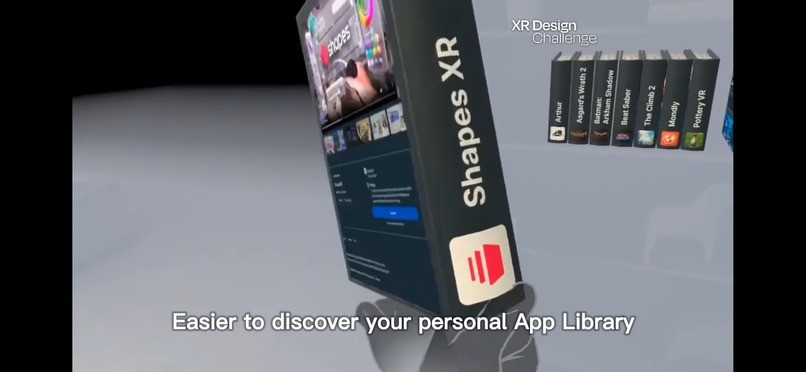
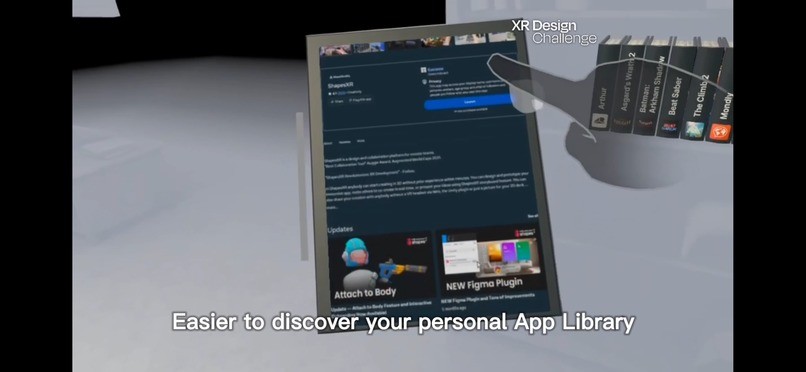
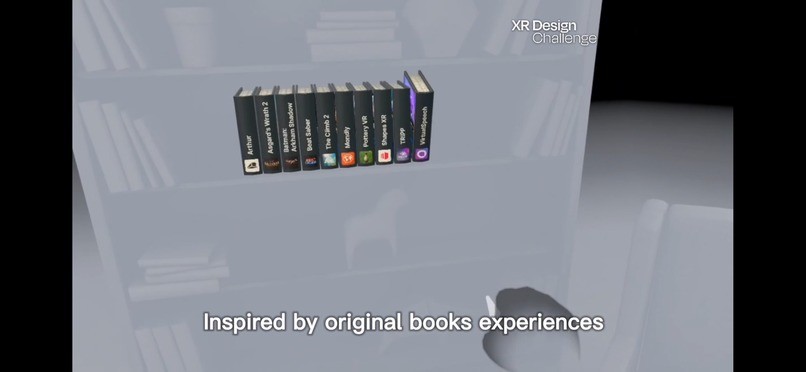
FOLIO is a spatial reimagination of the App Library — an interactive 3D bookshelf where each application becomes a dynamic, animated book you can pick up, rotate, browse, and open naturally. Designed for the XR Design Competition 2024, FOLIO explores how spatial computing can finally move beyond flat 2D grids and create a more human, intuitive relationship between users and their applications.
Role
Product Designer · Spatial UX/UI Designer · Concept Lead · Presentation & Trailer Designer
Industry
Mixed Reality · Spatial UX · 3D Interfaces
Duration
2 weeks (remote)
Concept & Research
As the Product Designer, I set out to create a spatial interface that feels natural in 3D and uses metaphors rooted in human experience.
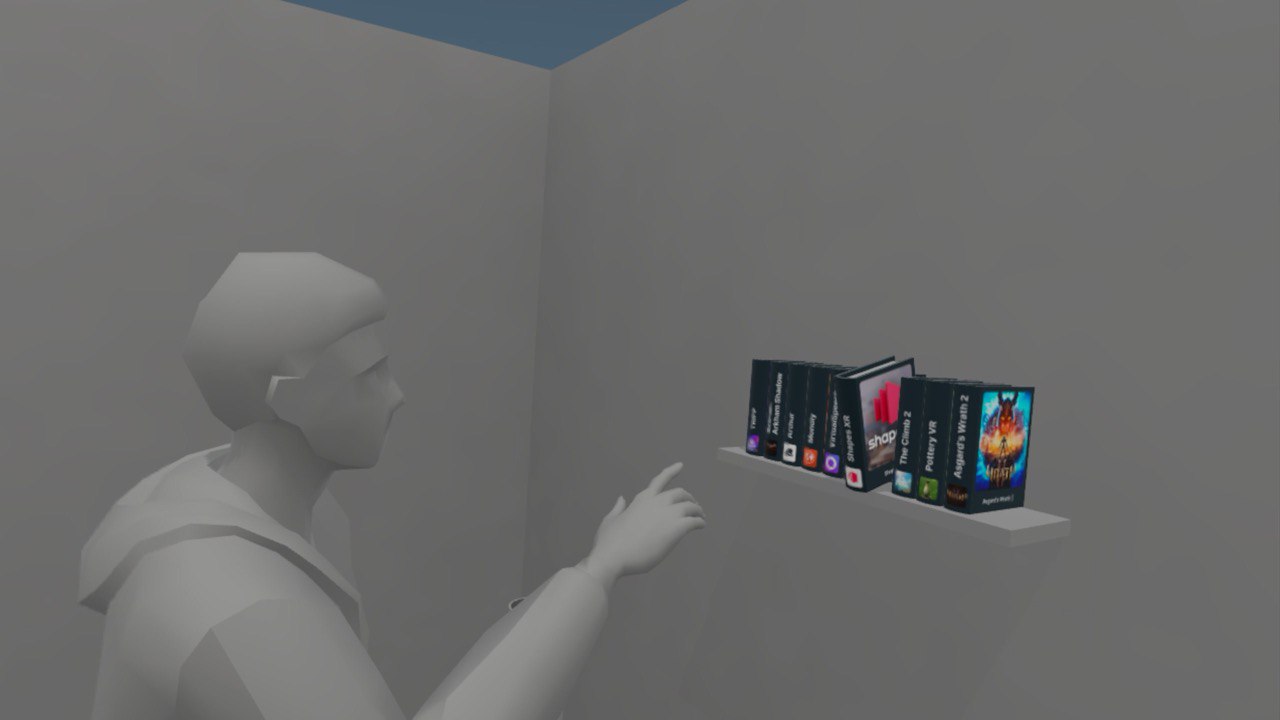
FOLIO was born as a spatial interface where every app is a uniquely designed 3D book living on a shelf — transforming browsing into a physical experience.
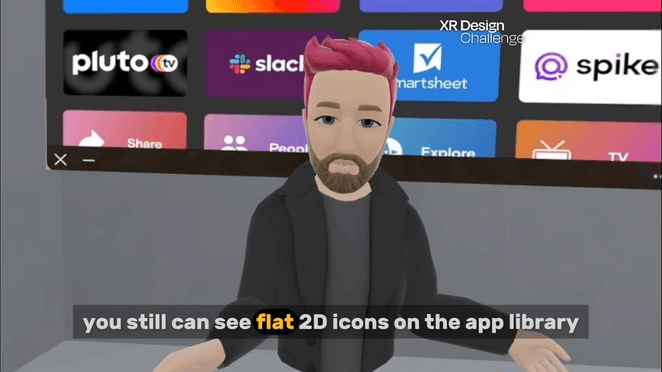
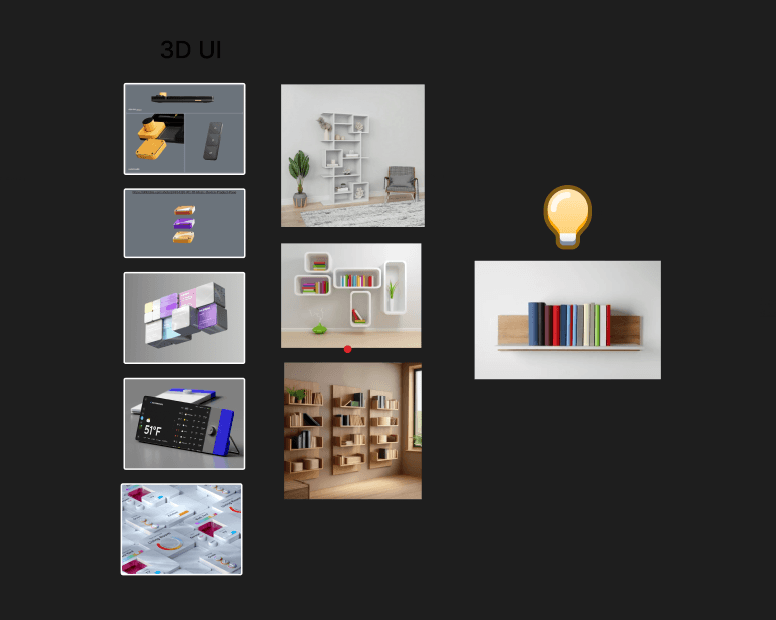
Books became the perfect answer.
A book is:
• physical
• familiar
• interactive
• tells a story
• stores information
• evokes curiosity
The idea of a bookshelf as an App Library also solved a major problem of current XR systems: they overload users with floating rectangles, instead of offering tangible, memorable UI.
Design Strategy
I built the entire product vision, UX architecture, and visual direction. This included choosing the book metaphor, defining how apps “live” in the space, and shaping how users touch, move, and explore them.
Everything had a physical logic behind it. Every interaction followed a natural gesture:
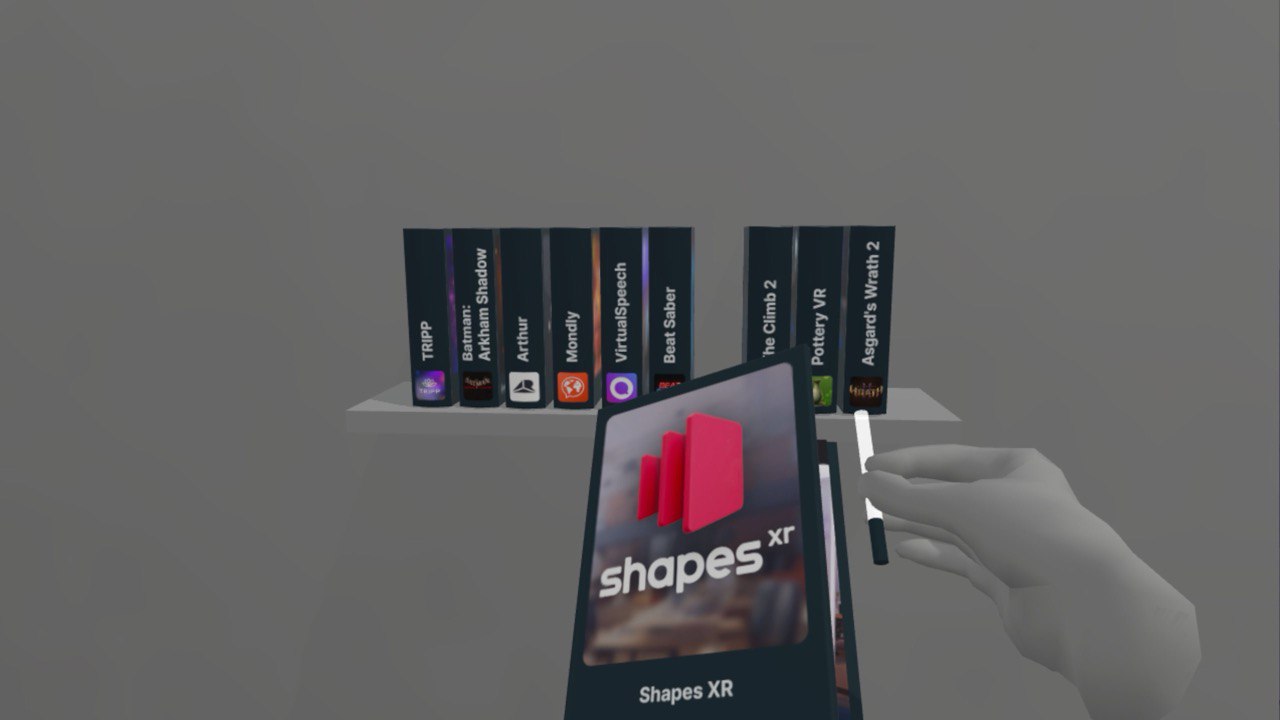
• pick up a book to preview the app
• rotate it to explore content on its cover and back
• open it to launch the app
• close it to minimize
• place it on the shelf to organize
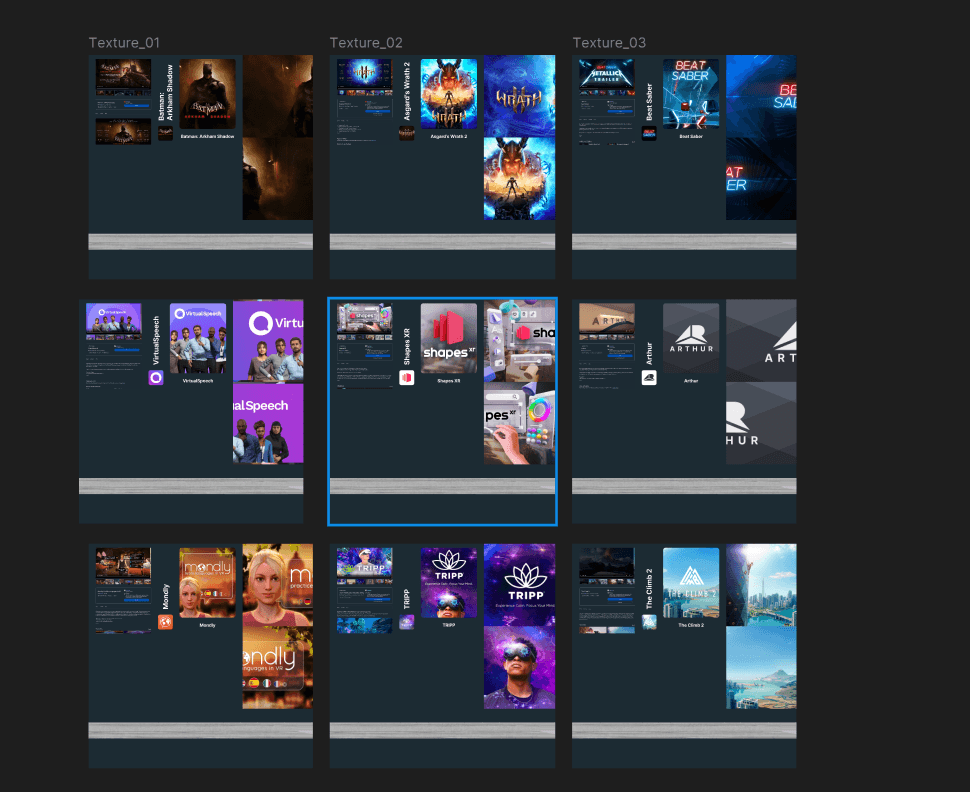
I also created all UI compositions, custom book-cover textures, the spatial shelf layout, and the visual hierarchy of the information within each book.
Prototype Development
We built an interactive prototype using Unity, Blender, ShapesXR and Figma.
I created the 3D book textures, UI elements, motion concepts, and the spatial interactions that defined how books respond to the user.
The prototype included:
• realistic books
• page-opening animations
• presence-aware highlighting when grabbed
• support for both DistanceGrab and DirectGrab
• subtle hover cues
• smooth return-to-shelf animation
• media previews on the inner pages
• app launch flow via book opening
In VR, the shelf could be freely positioned. In Mixed Reality, we explored dynamic placement issues, eventually deciding on spawning the shelf centered in the room at eye height for universal accessibility.
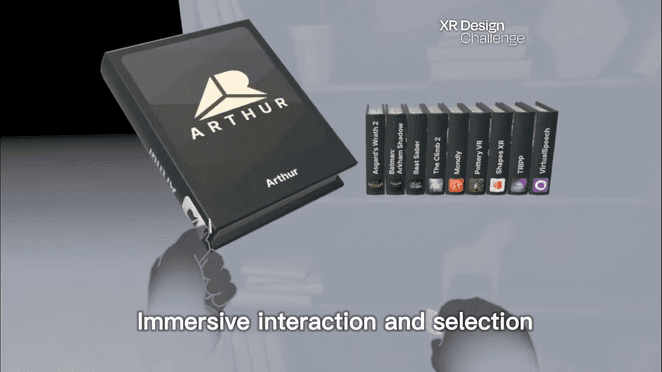
I also prepared the full pitch presentation and cinematic trailer, which helped convey the idea beyond raw technical execution.
Testing & Iteration
Through testing and iteration, we refined:
• how the books rotated in the user’s hands
• the pacing and smoothness of opening animations
• clarity of the front/back information layout
• the spatial organization of books on the shelf
• depth cues and readability at different distances
Testers consistently commented that browsing applications with books felt intuitive. The emotional connection was stronger, and the experience felt less like navigating a computer and more like exploring a personal space.
Showcase & Results
At XR Design Competition 2024, FOLIO quickly stood out. Judges resonated with the idea because everyone knows what a book is, and everyone understands how to interact with one.
The product vision was praised for being:
• universally intuitive
• emotionally appealing
• deeply spatial-first
• a realistic proposal for the future of XR operating systems
We reached the finals and received a high number of public votes, validating the community’s enthusiasm for spatial UI that breaks away from flat screen thinking.
Outcomes
• Fully interactive spatial App Library prototype
• Clear vision for the future of XR App Stores
• Recognition as one of the most intuitive spatial UI concepts in the competition
• Strong positive feedback from judges and the public
• Deepened experience in spatial product design, 3D motion language, and interface storytelling
Future Vision
FOLIO demonstrates that spatial computing’s greatest potential lies in designing interfaces that feel human, physical, and emotionally engaging.
Future directions include:
• AI-powered adaptive sorting
• voice-driven discovery
• 3D previews inside books
• personalized dynamic shelves
• multi-room app libraries
• spatial collections and organization
FOLIO shows a path toward XR operating systems that are not just functional — but beautifully intuitive, immersive, and human-centered.
Other projects
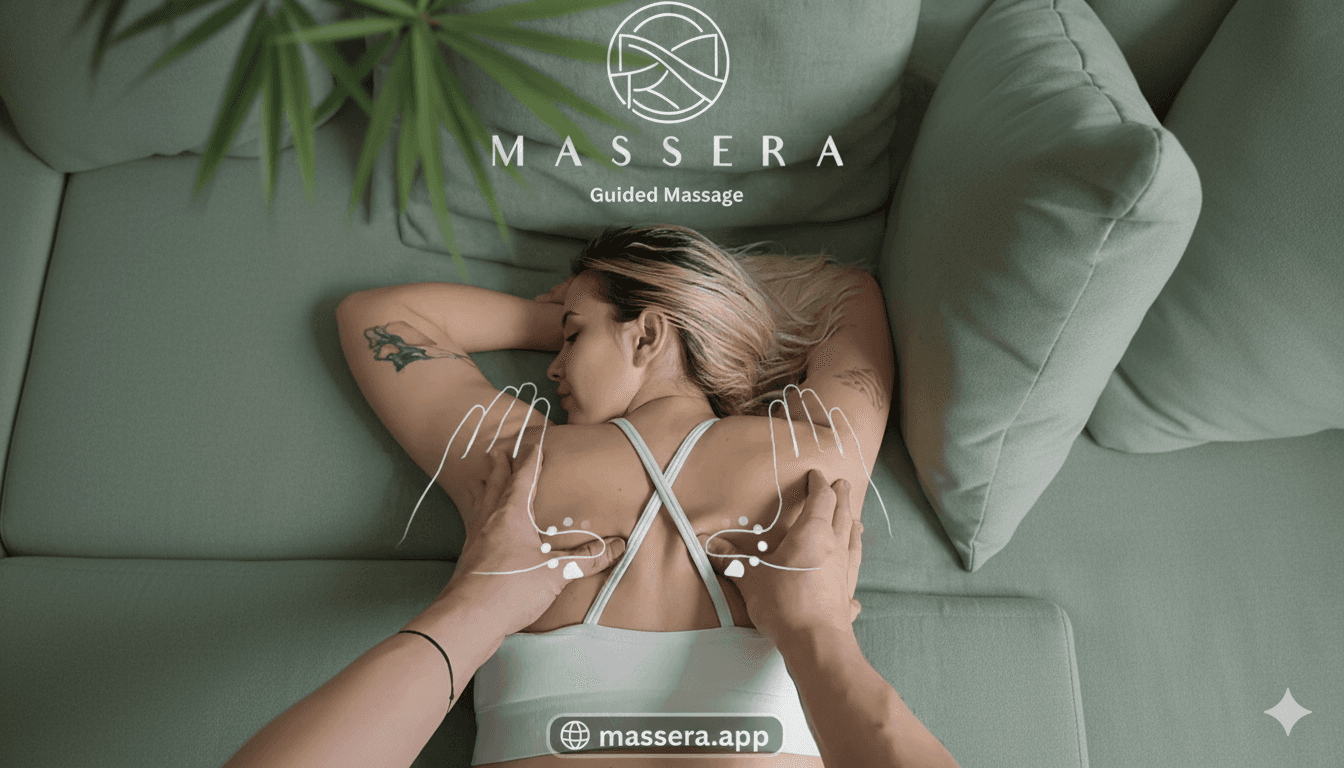
Massera - Guided Massage
Massera is a Mixed Reality (MR) app for Meta Quest 3 / 3S that teaches massage through guided touch and spatial mapping, inspired by professional techniques.

SolderSense
SolderSense is a Mixed Reality training experience for Meta Quest 3 that teaches safe, realistic soldering using the Logitech MX Ink Stylus as a fully simulated MR soldering iron. The prototype won🥈 2nd Place — Meta XR Hackathon Berlin 2025, Education Track
MoodSee
MoodSee is a real-time emotional awareness assistant for Meta Quest 3, using Access Camera, AI emotion recognition, and contextual cues to help users — especially neurodivergent kids — better understand facial expressions, emotional transitions, and maintain eye contact during live conversations.
Mix Drink Master
MixDrink Master is a Mixed Reality app for Meta Quest 3 / 3S that helps anyone craft professional cocktails on their first try.🥇 1st Place — Meta XR Hackathon Cologne 2024, Hobby & Skill Building Track

WriteRight
WriteRight is a Mixed Reality learning experience that teaches handwriting, motor skills, and calligraphy through guided tracing and stylus-based practice on a real table surface. Built with the Logitech MX Ink Stylus, it helps children learn to write in a playful, stress-free way — and supports rehabilitation and fine-motor skill training for all ages.🥇 1st Place — Experimental Education 🥈 2nd Place — Logitech MX Ink Stylus Use Case at XR Hack Stockholm 2024